Septic Tank Installation Cost: Budget Guide
Septic tank installation cost usually between about $4,000 and $14,000, though simple setups can be lower and complex systems can run higher. Expect to pay roughly $4,000–$10,000 for most installations, with factors like system type, soil tests, tank size, and local labor driving the final price.
You’ll learn which factors affect that estimate, how different system types change the bill, and where you can save money without risking future repairs. The next sections break down soils and permit, tank materials and labor, ongoing maintenance costs, and practical budgeting tips so you can plan with confidence.
Key Factors Influencing Pricing
You will pay more or less depending on tank size needs, where your property sits, what soil tests show, and local permit costs. These items drive most of the final bill.
System Size Requirements
The size of the tank and drain field links directly to how many bedrooms or occupants the house has. A 3-bedroom home usually needs a 1,000–1,250 gallon tank, while larger homes require bigger tanks and larger drain fields. Bigger tanks use more material and take longer to install, which raises labor and equipment costs.
If you plan future home additions, size up now to avoid replacing the system later. Tank material matters too: concrete costs more than plastic but lasts longer. Pump chambers, aerobic units, or advanced treatment add hundreds to thousands more depending on complexity.
Get Free Septic Tank Diagnose Using Our Free Septic Tank Diagnose Tool
Property Location Considerations
Where your property sits affects access, hauling, and excavation. A lot with easy road access and flat terrain costs less to install than a steep, remote, or heavily landscaped lot. Long equipment hauls or the need for smaller work crews raise labor and trucking fees.
Proximity to water bodies or high groundwater can force deeper installations or advanced systems, which increases cost. If you need to remove trees, relocate utilities, or restore landscaping, include those charges. Rural areas may have lower labor rates but higher travel fees.
Soil Testing and Site Assessments
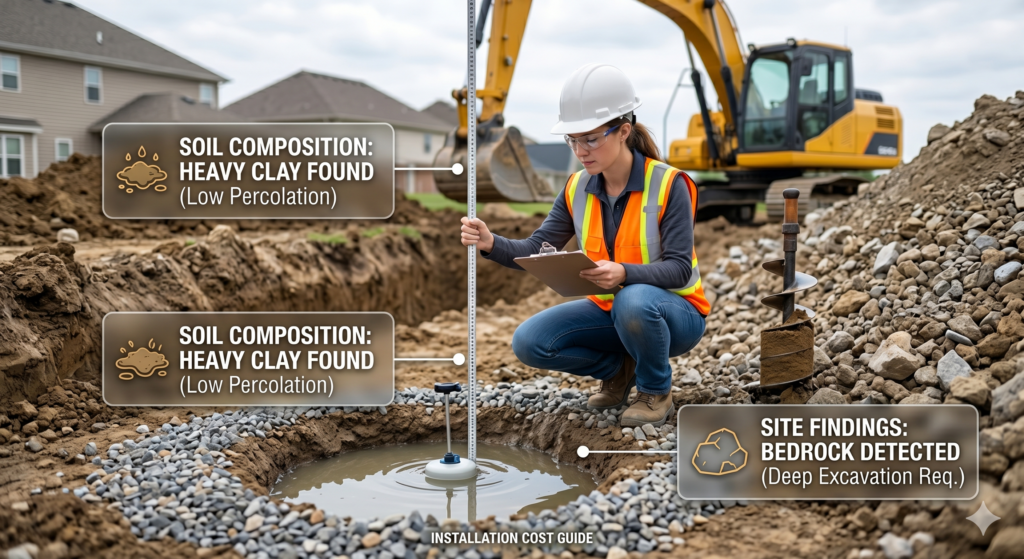
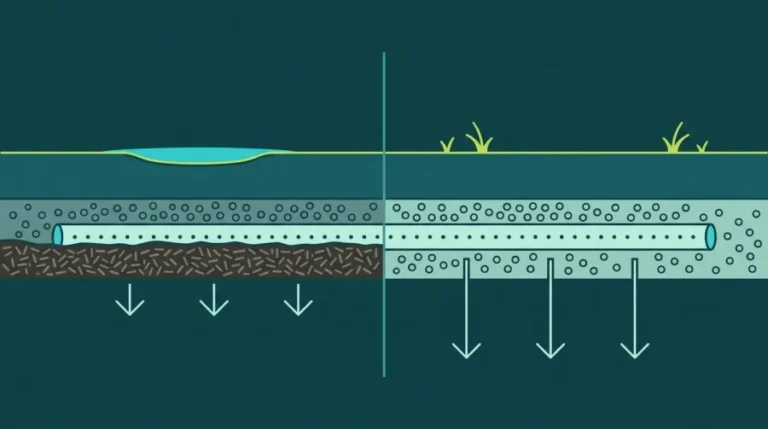
You must have soil tests and perc (percolation) tests to show how well the ground absorbs water. Poor draining soils, like heavy clay, often require a larger drain field, sand fill, or alternative systems such as mound or engineered systems. Each option raises costs through extra materials and labor.
Site assessments may find high groundwater, bedrock, or slope issues. Those conditions can require deeper excavation, imported fill, or special leach lines, adding both time and price. Expect soil testing plus engineer reports to cost several hundred to a few thousand dollars depending on complexity.
Permit and Regulatory Fees
Local health departments and building authorities set permit rules and fees you must follow. Permit costs vary by county and can include application fees, inspection fees, and impact or hookup charges. Some areas require design approval by an engineer, which adds design fees.
If your jurisdiction requires advanced treatment or tighter setbacks from wells and streams, you may need additional permits and inspections. Failing to get proper permits can lead to fines and forced system changes, which increases total cost.
Quick answer: A new system is a large investment worth protecting from day one. Set the pumping schedule, then keep it on a routine. Septifix is our featured tablet option to compare.
Types of Septic Systems
You will choose a system based on soil type, space, local rules, and budget. Each system treats wastewater differently and has different installation costs and maintenance needs.
Conventional Gravity Systems
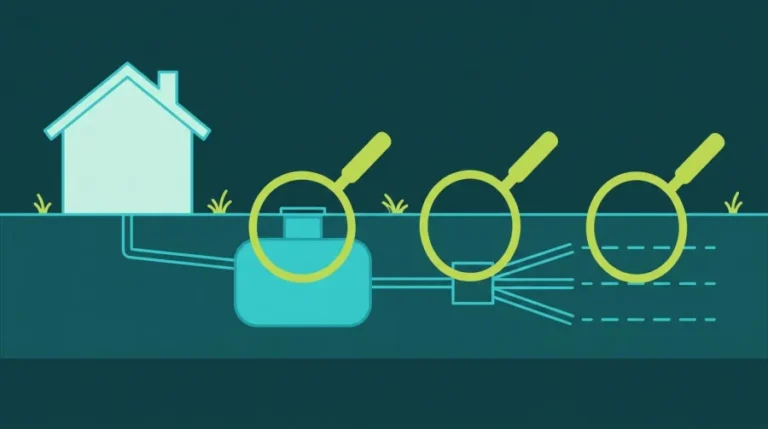
Conventional gravity systems use a buried tank and a soil absorption drainfield. Your wastewater flows by gravity from the house to the tank, where solids settle and liquid moves to the drainfield. This design costs less to install when you have good soil percolation and flat or gently sloped land.
You must size the tank to match your household flow. Typical tanks run from 1,000 to 1,500 gallons for most homes. Periodic pumping every 3–5 years keeps the tank working and prevents drainfield failure.
Pros: lower installation cost, simple parts, and fewer mechanical components. Cons: requires enough yard space and well-draining soil. If your site has high groundwater, bedrock, or small lot size, a conventional system may not be allowed.
Mound Septic Designs
Mound systems lift the drainfield above native soil using a sand fill and a raised sand bed. You get this when shallow soil, high groundwater, or bedrock prevents a normal drainfield. The mound creates space for proper treatment and dispersal.
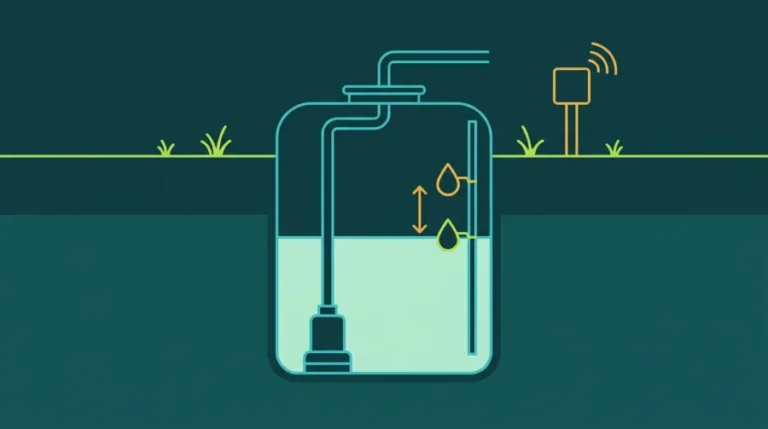
Installation involves building a sand mound, a dosing chamber, and pressure-distribution pipes. The system uses periodic dosing pumps to spread effluent evenly across the mound. Expect higher installation and maintenance costs than gravity systems because of excavation, sand, and pumps.
You must maintain the mound area; do not drive or build over it. Mound systems need regular inspections and pump servicing. Local permits often require specific monitoring and record-keeping.
Aerobic Treatment Units
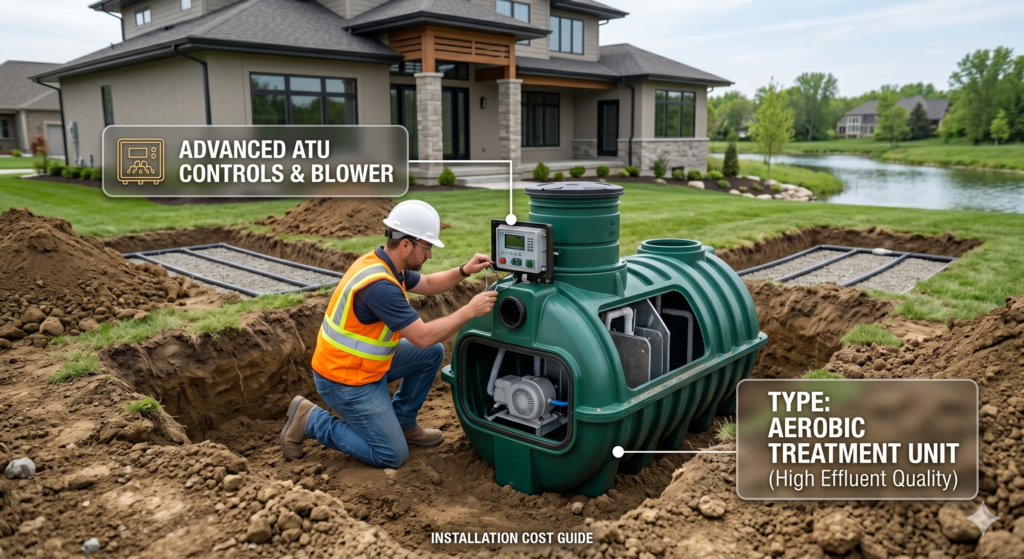
Aerobic treatment units (ATUs) add air to wastewater to speed decomposition, producing cleaner effluent. You install a sealed tank with an aeration chamber, clarifier, and disinfection step in some setups. This allows smaller drainfields or reuse options where higher-quality effluent is required.
ATUs cost more upfront and need electricity to run the aerator and controls. You will perform more frequent maintenance: checking blowers, cleaning filters, and annual service visits are common. These units reduce risk to nearby wells and surface water.
Choose an ATU if you have tight soil, a sensitive nearby water body, or want advanced treatment for irrigation reuse. Confirm local codes allow ATUs and understand the ongoing service costs before choosing one.
Material and Labor Expenses
You’ll pay most for the tank material and the crew that digs and installs it. Tank choice affects upfront cost and long-term maintenance, while excavation depends on soil, depth, and access.
Tank Material Choices
Choose between concrete, plastic (polyethylene), and fiberglass tanks. Concrete is heavy and durable. It often costs more to deliver and set because you need a crane. Concrete resists damage from heavy loads but can crack in poor soils.
Plastic tanks are lightweight and cheaper to ship. They resist corrosion and are easier to install in tight yards. However, they can float if groundwater is high unless properly anchored.
Fiberglass offers a middle ground: light, strong, and corrosion-resistant. It costs more than plastic but less than concrete in some markets. Check local prices and warranty terms before you decide.
Consider tank size too. Typical homes need 1,000–1,500 gallon tanks. Bigger tanks raise material cost and may need larger excavation equipment.
Excavation and Installation Labor
Excavation cost depends on soil type, depth, and site access. Sandy or soft soil is easier and cheaper to dig than rocky or clay soil. If your yard has steep grades or narrow access, crews need smaller equipment or extra labor, which raises costs.
Labor includes setting the tank, connecting inlet/outlet plumbing, and building the drainfield or leach lines. Expect separate charges for percolation tests, permits, and any backfill or compaction. Heavy equipment time, operator fees, and crew size drive hourly rates.
Plan for additional charges: hauling old tank debris, concrete pads, and final landscaping. Ask contractors for written line-item estimates to compare material and labor costs clearly.
Best Septic Tank Treatment Tools for Efficient Maintenance and Longevity
Ongoing and Long-Term Costs
You will pay for routine care, occasional repairs, and eventual component replacement. Expect predictable annual costs and larger one-time expenses every few years depending on system type and usage.
Maintenance and Pumping
You should schedule septic pumping every 3 to 5 years for a typical 3–4 bedroom home. Pumping removes solids and prevents drainfield clogging. Typical cost: $250–$600 per pump, but prices vary by tank size, access, and local rates.
Plan annual inspections if you have an alternative system (electrical components or dosing chambers). Inspections cost $100–$300 and catch issues early. You should also budget for maintenance tasks you can do: conserve water, avoid flushing grease and wipes, and route roof drains away from the drainfield.
Keep a record of pumpings and inspections. That documentation helps when selling the house and can reduce repair frequency by identifying problems early.
Repair and Replacement Needs
Small repairs (baffles, alarm sensors, or risers) often cost $200–$1,200. Replace failed components quickly to avoid drainfield damage. A collapsed inlet or outlet baffle can escalate into a drainfield failure if not fixed.
Drainfield replacement is the largest long-term cost. Reported project costs run $3,000–$15,000, averaging around $7,900, with mound and other engineered systems at the top of that range and beyond. Those are national figures from contractor-reported data rather than an official price list — our drain field replacement cost guide breaks them down by system type and explains what they are based on. Tank replacement runs $3,000–$8,000 for conventional tanks; prices rise for larger or polyethylene/steel options.
Factor in local permits and soil work for replacements — percolation tests and engineering can add $700–$2,000. Consider a reserve fund or home warranty to spread these intermittent, high-cost events.
Budgeting and Cost-Saving Tips
Plan for permit fees, soil tests, tank type, and a contractor’s labor rate when you set your budget. Prioritize items that most affect price: system type, site prep, and local code requirements.

Choosing Qualified Contractors
Check licenses and insurance before you hire anyone. Ask for a copy of the contractor’s state septic license, proof of liability insurance, and workers’ comp. Call your state licensing board or local health department to confirm status.
Request references from at least three recent jobs with similar soil or system types. Visit one site if possible to see workmanship and site cleanup. Get a written timeline and payment schedule that ties payments to milestones.
Negotiate a clear scope that lists tank size, material, drainfield type, permit handling, and cleanup. Avoid low bids that skip required tests or permits. A slightly higher bid that includes tests and warranty usually saves money later.
Authoritative Resources on Septic Systems
When planning your budget, it is crucial to understand the federal and local guidelines that dictate wastewater management. We highly recommend reviewing the
Environmental Protection Agency (EPA) guidelines on septic system types
to better understand which conventional or alternative setup is best suited for your soil and property layout.
If your site requires an Aerobic Treatment Unit (ATU) or other advanced components, ensuring your materials meet high industry benchmarks can prevent costly future repairs. You can verify safe material and performance requirements by checking the
NSF International standards for wastewater treatment systems.
Finally, one of the best ways to extend the life of your newly installed drainfield and reduce ongoing maintenance costs is to limit water usage. Consider upgrading your home with
water-efficient fixtures endorsed by the EPA’s WaterSense program
to prevent hydraulic overloading in your septic tank.
Comparing Estimates and Warranties
Collect three detailed written estimates to compare apples to apples. Ensure each estimate breaks out costs: permits, soil/percolation tests, tank, installation labor, drainfield work, and disposal of excavated soil.
Compare warranty terms closely. Note what the warranty covers (tank, drainfield, workmanship), its length, and any required maintenance to keep it valid. Ask about transferability if you sell the house.
Look for value items that reduce long-term cost: higher-grade tank materials (concrete or polyethylene), properly sized drainfield, and a service contract for routine inspections. Use the estimates to negotiate minor repairs or upgrades into the price rather than accepting vague or open-ended quotes.
Quick answer: A treatment supports routine maintenance; it does not replace pumping, inspection, or repair. If the tablet format suits you, compare package options and check your tank size before ordering.
Before you assume the whole bill is yours, check what help exists. Rural owner-occupants can borrow at 1% through USDA, and many counties fund replacement outright for qualifying households. Our guide to septic system financial assistance sets out who qualifies and what the programmes exclude.
Essential septic guides
Affiliate disclosure: This guide contains affiliate links, including our Septifix partner link. If you purchase through one of these links, we may earn a commission at no additional cost to you. Our conclusions are based on product information and published guidance, not payment level.