What Not to Flush With a Septic Tank
If you have a septic tank system, the toilet is not a trash can. That sounds obvious, but it is one of the most important rules in septic ownership—and one of the easiest to ignore until something goes wrong. When homeowners flush the wrong items, the result can be anything from slow drains and odors to a clogged tank outlet, overloaded drain field, or expensive system failure.
The clearest version of the rule comes directly from EPA: an easy rule of thumb is not to flush anything besides human waste and toilet paper. That guidance is backed up again and again by extension sources, and it deserves to be the foundation of any septic education article. [Source] https://www.epa.gov/septic/how-care-your-septic-system
Why Flushing Habits Matter So Much in a Septic System
In a municipal sewer system, people often assume “the system will handle it.” Septic systems do not work that way. A household septic system depends on wastewater settling properly in the tank and then moving out to the drain field for soil treatment. Penn State Extension explains that when bulky or non-degradable material enters the system, the effluent may not exit properly and the soil absorption field can become clogged. That can lead to backup inside the home, poor wastewater treatment, groundwater contamination, and costly repairs. [Source](https://extension.psu.edu/what-not-to-flush-keep-your-septic-system-functioning-properly/)
Michigan State Extension reinforces the same point from another angle: toilet paper degrades quickly in water, but many other materials do not break down readily and can clog the system. That difference is simple, but it is exactly why septic-safe habits matter. [Source] https://www.canr.msu.edu/news/be-careful-what-you-flush
Quick answer: What you keep out of the tank matters more than anything you put in. Once the habits are right, a monthly tablet supports the bacteria doing the work. Septifix is our featured option to compare.
The Simple Rule: Flush the 3 Ps Only
Michigan State University Extension offers a practical memory tool: flush the 3 Ps—pee, poop, and paper only. That rule is useful because it is easy to remember and it cuts through a lot of confusing packaging language like “flushable,” “septic-safe,” or “biodegradable.”
If an item is not human waste or toilet paper, it should usually stay out of the toilet. That includes many items people flush casually without realizing the downstream consequences.
Items You Should Never Flush Into a Septic System
Wipes of Any Kind
EPA says not to flush non-flushable wipes such as baby wipes or wet wipes. Penn State Extension goes further and warns against baby wipes, disinfectant wipes, moist wipes, and even products labeled “flushable.” Michigan State also warns that even wipes marketed as “flushable” and “septic-safe” are not really safe for treatment systems—they may go down the drain, but that does not mean the system can handle them properly.
Paper Towels, Tissues, and Napkins
These may look paper-based, but they do not behave like toilet paper in water. Penn State specifically lists facial tissues, napkins, and paper towels as items that should not be flushed. These products can add bulk, resist breakdown, and contribute to clogging in ways homeowners often underestimate.
Feminine Hygiene Products, Diapers, and Cotton Items
EPA includes feminine hygiene products and diapers on its “never flush” list, and extension sources regularly warn against bulky personal-care materials. These products are not designed to break down quickly in wastewater and can disrupt system flow.
Grease, Oil, Coffee Grounds, and Food Waste
Homeowners sometimes treat the toilet or sink like a fallback disposal route. That is a bad idea for any septic system. EPA says never flush cooking grease or oil, and Penn State specifically warns against coffee grounds, leftover foods, and fats, oils, and grease. These can contribute to scum buildup, clogs, or downstream treatment problems.
Dental Floss, Hair, Bandages, and Small Trash
These items are easy to dismiss because they are small. That is exactly what makes them dangerous in a habit-based sense: people flush them casually. Penn State includes dental floss, hair, cigarette butts, band-aids, and plastics among the items that should not be flushed. Over time, these add to the solid load and can interfere with flow.
Medicines, Chemicals, and Cleaning Waste
EPA warns homeowners not to flush pharmaceuticals and household chemicals such as gasoline, oil, pesticides, antifreeze, and paint or paint thinners. Penn State also warns that hazardous chemicals can harm the system. These are not just clogging risks—they can interfere with treatment and create broader environmental concerns.
What Happens When You Flush the Wrong Things?
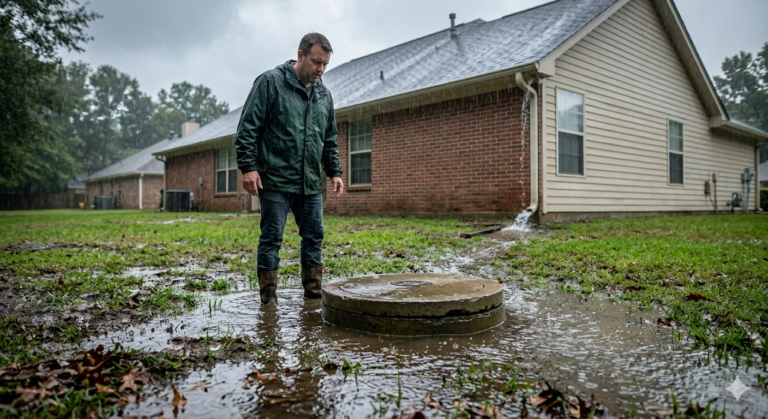
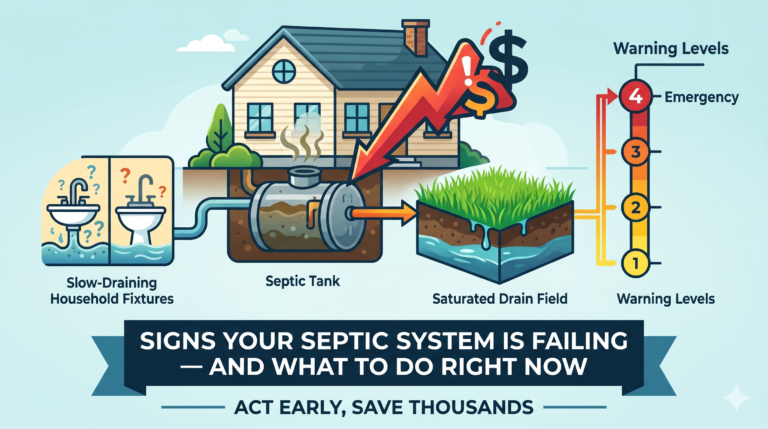
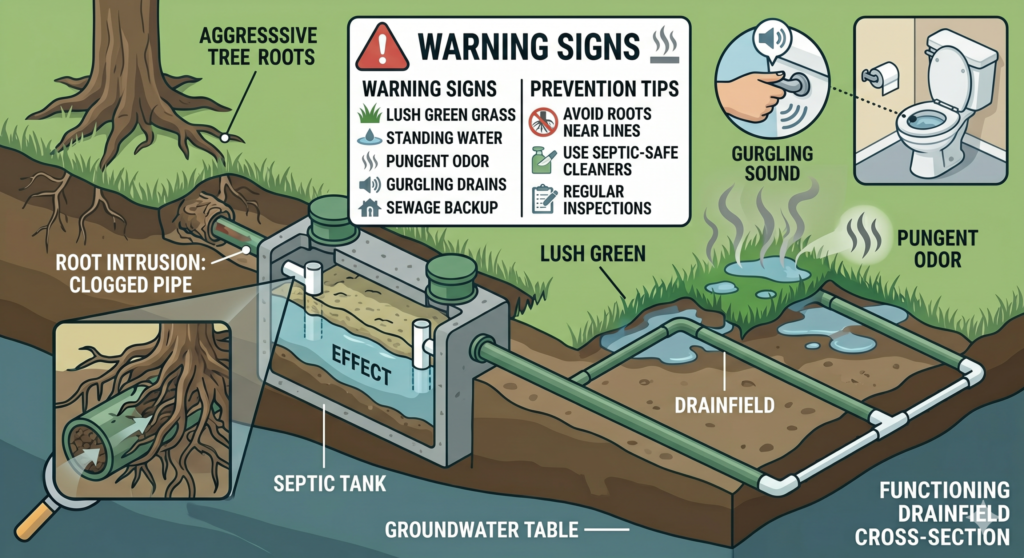
The short answer is stress, then failure. Wrong materials can clog pipes, increase sludge, block effluent movement, overload the soil treatment area, and lead to odor or backup problems. Penn State explains that when the system becomes clogged by bulky items that cannot be broken down, the effluent may fail to exit the tank properly or the soil absorption field may get clogged. Michigan State adds that repairs can be protracted and costly.
That is why articles like your pumping cost guide and slow drains article matter in the site structure. They help readers understand that small daily habits can become expensive system outcomes.
Does “Flushable” Mean Safe for Septic?
Not necessarily. This is one of the most important trust points to make clear. Michigan State Extension explicitly says even personal-care wipes whose packaging says “flushable” and “septic-safe” are not really safe in practice. “Flushable” only means the item goes down the drain—it does not mean the receiving system can break it down properly.
This is exactly why homeowner content needs to prioritize system reality over packaging claims.
What Should You Flush Instead?
The safest rule is still the simplest: human waste and toilet paper only. If readers are trying to improve that second part, a related internal resource is a dedicated roundup on septic-safe toilet paper. That kind of article fits naturally with your maintenance cluster because it offers a practical buying decision without undermining the basic flushing rule.
For households trying to clean up habits overall, your residential septic maintenance page and maintenance checklist are also strong internal destinations.
How to Make Better Flushing Habits Stick
- Place a covered wastebasket near every toilet.
- Teach the whole household the 3 Ps rule.
- Do not rely on product packaging that says “flushable.”
- Keep wipes, paper towels, and hygiene items out of reach of routine flushing habits.
- Review symptoms early if slow drains, odors, or wet spots appear.
These are simple household management steps, but they prevent many avoidable septic problems before they begin.
Bottom Line
If you have a septic tank, the safest flushing rule is also the easiest to remember: flush only human waste and toilet paper. Wipes, paper towels, grease, chemicals, hygiene products, and other common household waste do not belong in the system. Ignoring that rule increases the risk of clogs, odors, drain field stress, and expensive repairs.
Source: U.S. EPA: How to Care for Your Septic System
Quick answer: A treatment supports routine maintenance; it does not replace pumping, inspection, or repair. If the tablet format suits you, compare package options and check your tank size before ordering.
Essential septic guides
Affiliate disclosure: This guide contains affiliate links, including our Septifix partner link. If you purchase through one of these links, we may earn a commission at no additional cost to you. Our conclusions are based on product information and published guidance, not payment level.